Old Light
When we look at deep-sky objects, we are looking into the past. Some of the light in these images traveled for thousands, millions, or even billions of years before reaching the camera.
Lost Photons Outreach
This page is a simple starting point for star parties, classrooms, club nights, public talks, and curious people who want to know what they are looking at before diving into filters, guiding, calibration frames, and exposure data.
Lost Photons has a full archive for the technical details, but outreach works better when the first question is simple: “What is this, and why is it worth looking at?”
These images are good conversation starters. They help explain scale, distance, color, star formation, galaxies, and how faint objects become visible when a camera collects light over time.
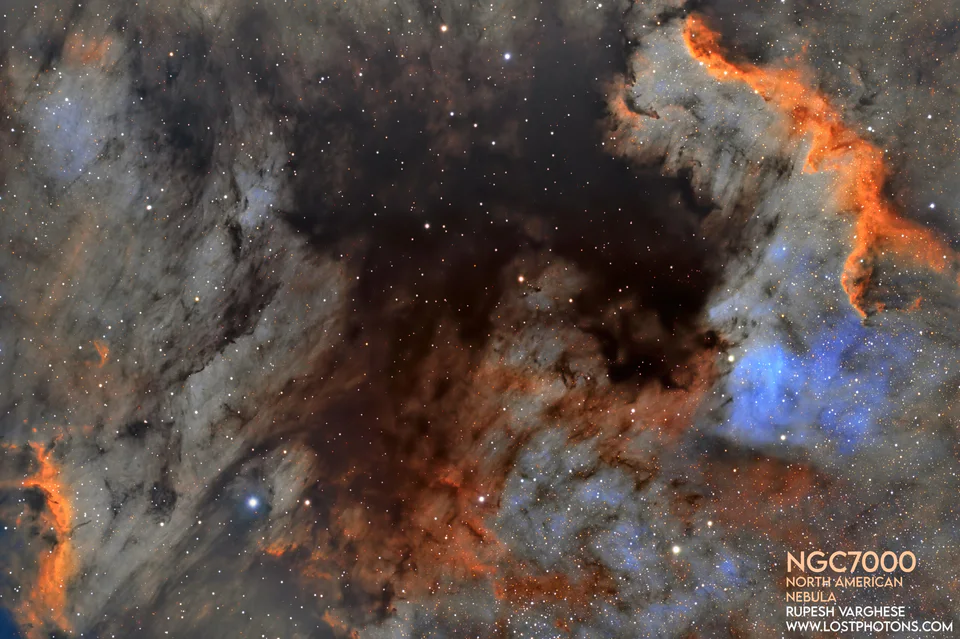
A wide field of glowing hydrogen in Cygnus, shaped by dark dust and young stars.
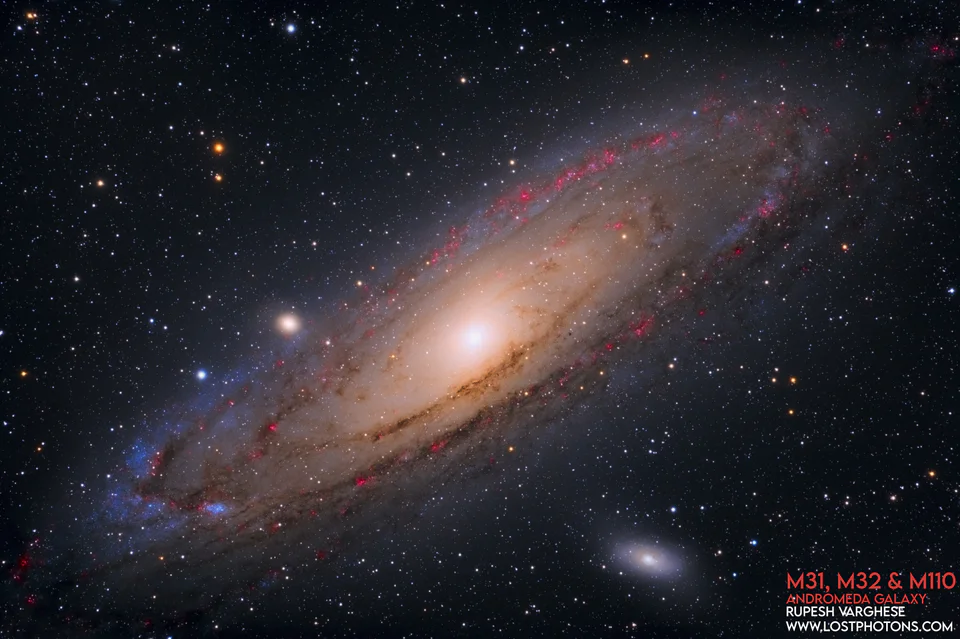
The nearest large spiral galaxy to the Milky Way and one of the easiest ways to talk about cosmic distance.
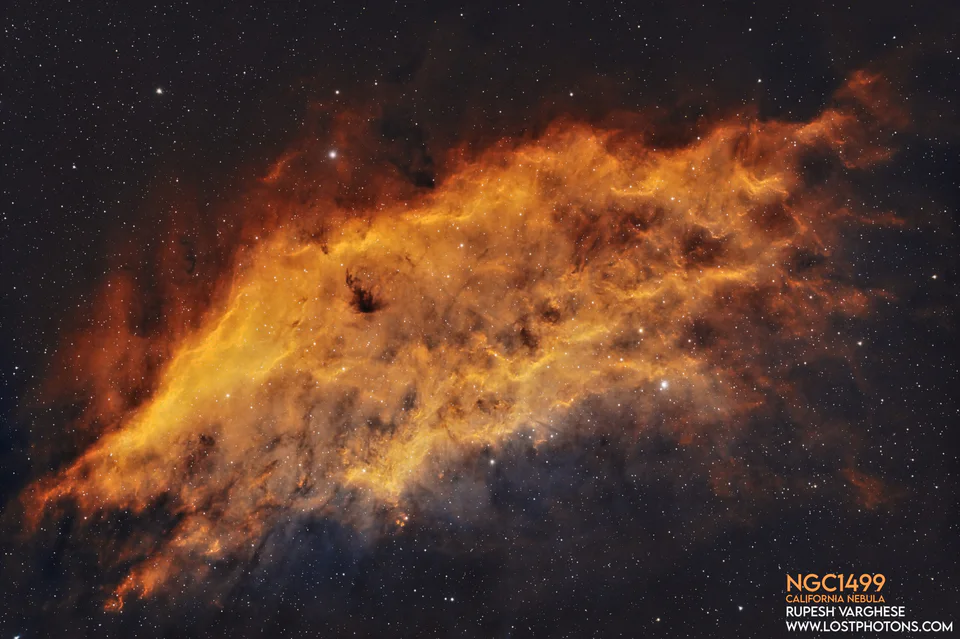
A long emission nebula in Perseus, glowing mostly from hydrogen gas.
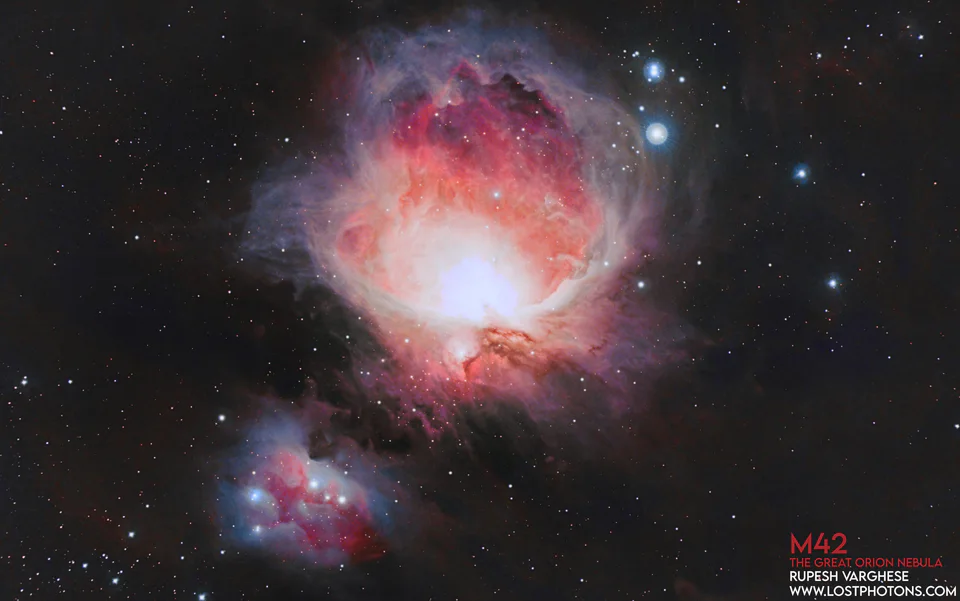
A bright stellar nursery where new stars are forming, visible even through small telescopes in winter.
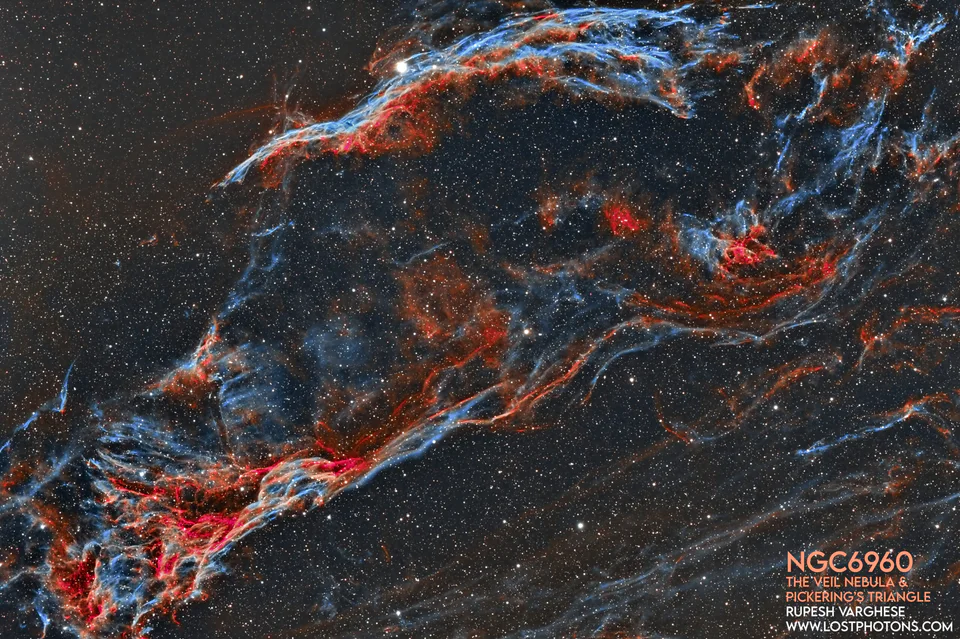
Part of an ancient supernova remnant, stretched across Cygnus like smoke from an exploded star.
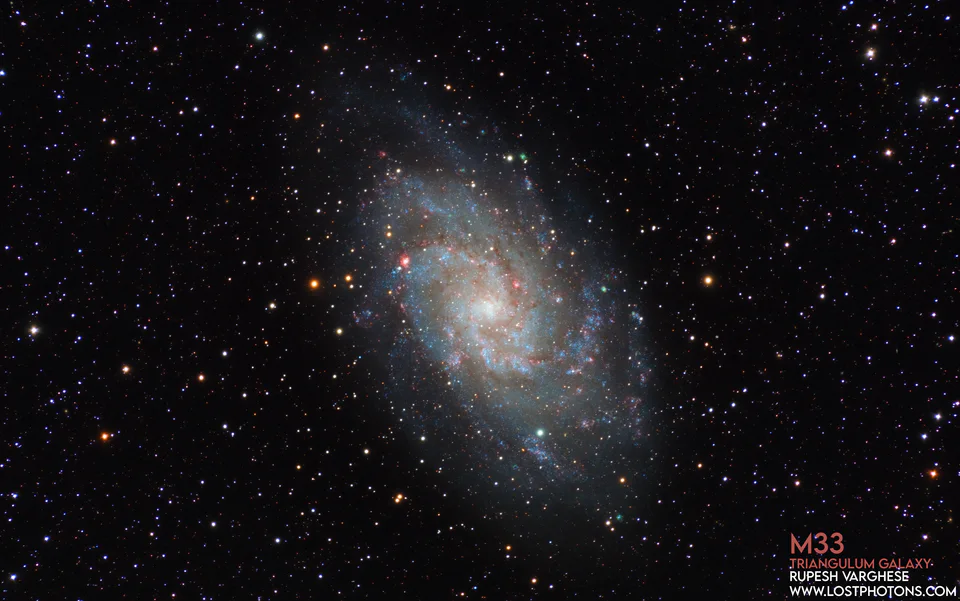
A nearby spiral galaxy with bright star-forming regions scattered through its arms.
These short explanations are useful before getting into equipment, filters, tracking, calibration frames, and processing.
When we look at deep-sky objects, we are looking into the past. Some of the light in these images traveled for thousands, millions, or even billions of years before reaching the camera.
Most astrophotography images are not single snapshots. They are built from many shorter exposures combined together, which helps reveal faint detail that one photo would miss.
Some nebulae glow in very specific wavelengths of light, such as hydrogen, oxygen, and sulfur. Filters can isolate that signal, and processing maps it into colors our eyes can understand.
The final image is shaped by more than the object itself. Weather, moonlight, haze, focus, tracking, local light pollution, and patience all matter.
A camera can collect light for minutes or hours. Your eye sees the sky in real time. That is why astrophotography can reveal color and structure that are invisible at the eyepiece.
Once the image makes sense, these are the best next stops depending on what someone wants to explore.
I am happy for this page to be used as a simple guide during informal astronomy outreach, classroom conversations, club nights, and public observing events. Start with the image, ask what people notice, then move into the science and capture details when they are ready.
For a direct question, use the Contact page.
Astrophotography is not only about making sharp pictures of space. It is a way of making time visible: minutes of exposure, years of practice, and light that began traveling long before any of us looked up.